By Yoshita
Editor Mrinali Jadhav
Brain tumours pose a significant health challenge in India and across the globe, affecting individuals of all ages and backgrounds. In India, the incidence of brain tumours has been on the rise.
According to estimates, brain tumours account for nearly 2% of all cancers diagnosed in the country. Beyond India, brain tumours are a global concern. According to the World Health Organization (WHO), approximately 265,000 new cases of brain and central nervous system tumours are diagnosed each year worldwide.
These tumours can manifest in different forms, including gliomas, meningiomas, pituitary tumours, and medulloblastomas, among others. The incidence and types of brain tumours vary across different regions and populations.
World Brain Tumour Day serves as a powerful platform to increase awareness about brain tumours and provide support to those affected by this challenging condition.
In this article, we delve into the experiences and insights of Claire Bullimore, a brain tumour survivor, as she shares her journey. Claire recounts her symptoms before diagnosis, the treatment procedure she underwent, and offers valuable advice for individuals facing similar circumstances.
What were the symptoms before you got diagnosed with a brain tumour and what was the treatment procedure?
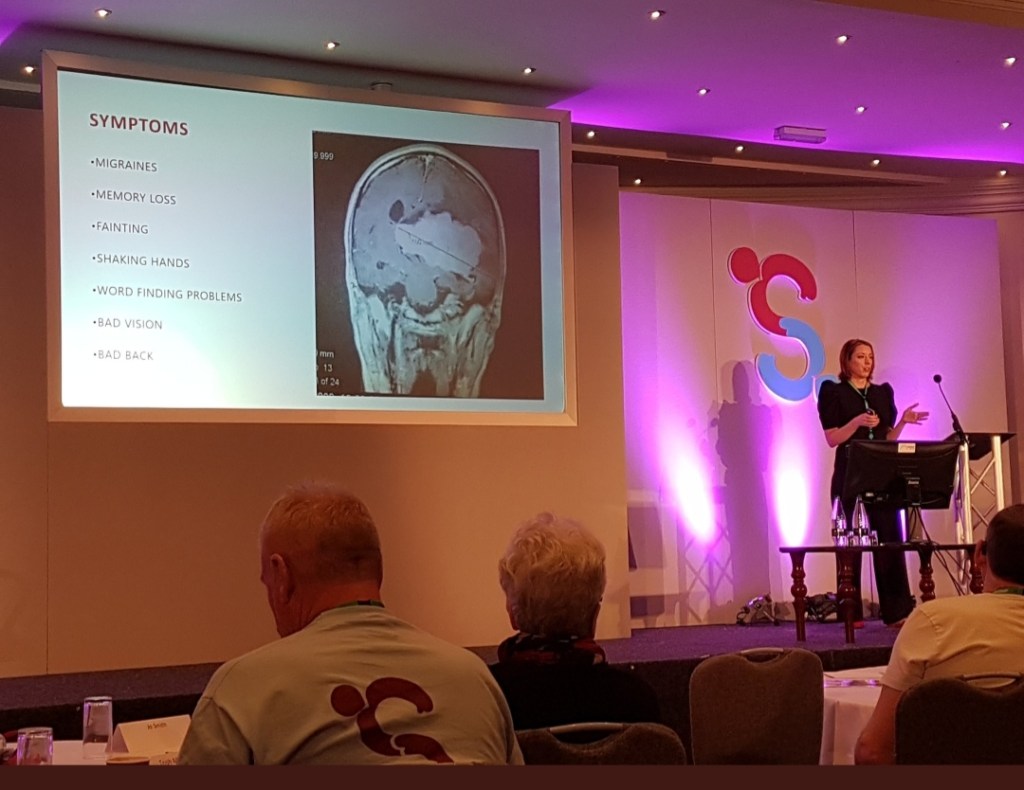
Claire’s story begins with a series of distressing symptoms. Constant migraines, hand tremors, difficulty finding words, and alarming incidents of fainting and temporary blindness had taken a toll on her. Despite her concerns, her general practitioner initially attributed these symptoms to stress. Determined to find answers, Claire visited an optician due to worsening moments of blindness. Recognizing the severity of her condition, the optician swiftly referred her to a hospital. Following scans and consultations with neurology specialists, Claire received the life-changing diagnosis of a brain tumour the size of a grapefruit. Urgent surgery was scheduled to remove the tumour just two days later.
What encouragement would you give to people diagnosed with brain tumour?
Claire offers words of encouragement to those grappling with a brain tumour diagnosis. She emphasizes the importance of acknowledging fear while retaining hope. Seeking a second opinion and asking questions, no matter how insignificant they may seem, is crucial. Claire underscores the significance of being patient and compassionate with oneself throughout the journey. Discovering inner strength, a resource accessible to all, becomes instrumental in navigating the challenges that lie ahead.
What are some of the fundraising plans one can opt for if they do not have finances for treatment?
Financial limitations can add further stress for those requiring treatment. Claire advises exploring various online platforms for fundraising assistance, emphasizing that it’s acceptable to ask for help. Crowdfunding platforms like GoFundMe have proven to be effective in helping individuals gather the necessary finances for treatment.
What information is important for brain tumour survivors?
Claire highlights that support networks are essential for brain tumour survivors, regardless of when they received their diagnosis. Engaging with online communities and support groups such as Aunty M Brain Tumours, Brainstrust, and Braintumour.org can provide valuable resources, emotional support, and a sense of belonging to individuals navigating their journey post-diagnosis. Her support group is available as “Aunty M Brain Tumours”
Can you say a few words to create awareness about brain tumours and how close family and friends can assist those affected?
Brain tumors are indiscriminate; they can affect anyone at any age. What’s more? they kill more children and adults under the age of 40 than any other cancer… yet historically just 1% of the national spend on cancer research has been allocated to this devastating disease. Brain tumours impact not only the patients themselves but also their families and friends.
Claire stresses the importance of raising awareness about this disease, which promotes understanding and offers purpose to those affected. Fundraising events can be organized to generate both financial and emotional support. Additionally, simply reposting #WorldBrainTumourAwarenessDay on social media can help create awareness and reach a wider audience.
People can share the symptoms to look out for: Headaches, change in vision, seizures, cognitive changes, communication problems, and speech problems among other symptoms.
What does Brain Tumour Day mean to you and how do you plan to celebrate it?
For Claire, World Brain Tumour Day holds immense importance. It signifies the opportunity to educate others about the symptoms of brain tumours, leading to earlier diagnoses and improved treatment outcomes.
By raising awareness, misdiagnoses can be minimized, and individuals can access the necessary medical attention promptly. I also will remember my friends and family I have lost to a brain tumour. While I have been blogging on Aunty M Brain Tumours, I have met amazing fellow brain tumour warriors and sadly have lost many of them over the years. They will never be forgotten.

What is Claire Bullimore’s perspective on partnering with Unverbalise to share an inspiring story of survival from a brain tumour on World Brain Tumour Day?
Claire expresses her gratitude for collaborating with Unverbalise, recognizing the significance of sharing her inspiring survival story on World Brain Tumour Day.
By providing individuals with a voice, this partnership amplifies awareness of the day and contributes to the global effort to combat brain tumours.World Brain Tumour Day acts as a catalyst for change, enabling us to increase awareness, support, and understanding for those affected by brain tumours.
Claire Bullimore’s personal journey serves as a testament to the importance of early diagnosis, support networks, and sharing stories of survival. Together, we can work towards better outcomes and brighter futures for those impacted by this challenging condition.
You can learn more about Clair’s story through her book “A Brain Tumour’s Travel Tale”
Hello there dear reader, if you found this article educational and intresting please do subscribe to our website.
 U N V E R B A L I S E